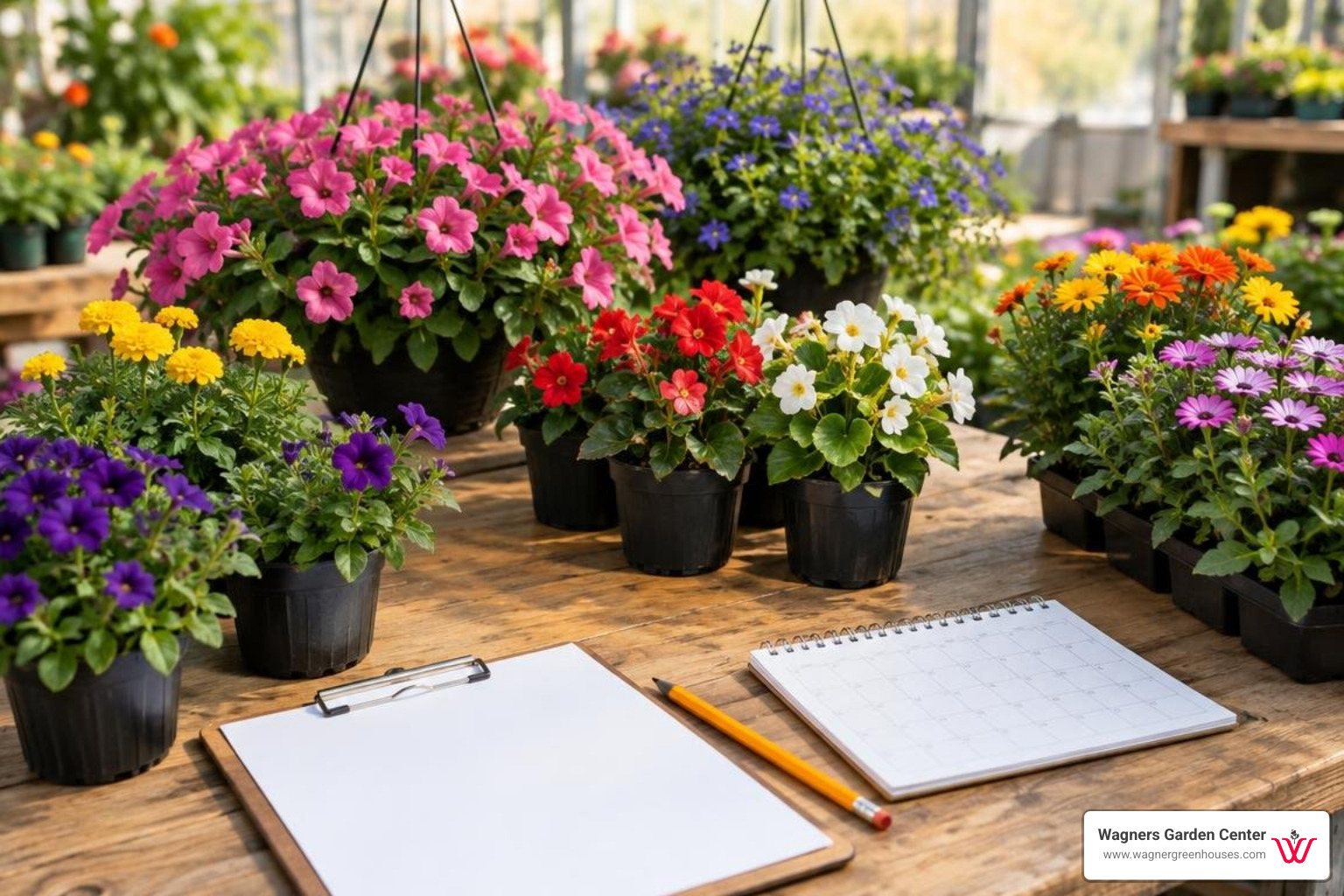
How to Start a Plant Fundraiser
Plant fundraisers work best when your group partners with Wagners first, then works with our team to select seasonal plants, take preorders, and set one clear pickup date. For Twin Cities spring fundraising, Wagners can help your organization choose plant options that fit its supporters and delivery plan before orders open.
A good sale raises money for your group while helping neighbors get plants they can enjoy at home. The steps below will help you plan the sale, protect your budget, and make pickup day easier.
Why Community Groups and Schools Choose Plant Fundraisers
Traditional fundraising often leans heavily on wrapping paper, candy, or discount cards. While those campaigns have their place, plant fundraisers provide a refreshing alternative that supporters genuinely look forward to each season. Instead of purchasing processed treats or impulse items they might never use, community members invest in living greenery that beautifies their homes, patios, and neighborhood gardens.
The educational and wellness benefits of plant-based campaigns are substantial. Gardening connects people of all ages to the natural world. In fact, research shows that children who engage in hands-on gardening activities achieve 12% higher grades in Science, Technology, Engineering, and Mathematics (STEM) subjects compared to peers who do not. Introducing young people to plant biology, root systems, and seasonal growth cycles turns an ordinary fundraising drive into a meaningful learning experience.
Financially, a plant fundraiser’s earnings depend on the prices your group sets and the number of items it sells. Wagners notes that most participating groups make $10 to $20 per item. Pre-selling items can help organizations plan orders around customer demand and raise funds for school, church, and nonprofit goals.
Key advantages of running a plant sale include:
- High Perceived Value: Backers receive sturdy, healthy plants that enhance outdoor living spaces or brighten indoor windowsills for months.
- Repeat Customer Base: Because gardening is an annual ritual, satisfied neighbors will return to support your sale every spring, autumn, or holiday season.
- Health and Wellness Focus: Offering homegrown herbs, garden vegetables, and pollinator-friendly blooms aligns perfectly with community wellness goals.
- Zero Leftover Inventory: Using a structured pre-order model ensures that your group only orders and pays for the exact inventory your supporters have already purchased.
Top Seasonal Plant Selections for Every Campaign
Timing is everything in horticulture. Aligning your product catalog with the local gardening calendar creates natural urgency, encouraging community members to buy items they already plan to add to their gardens.
Spring Annuals, Hanging Baskets, and Vegetables
Spring is the premier season for gardening sales. As the frost recedes, homeowners across the region are eager to refresh patio planters, hanging baskets, and backyard vegetable patches.
Top spring selections include:
- Vibrant Annuals: Upright geraniums, petunias, marigolds, and begonias provide instant color and reliable performance throughout the summer months.
- Lush Hanging Baskets: Trailing fuchsias, calibrachoas, and mixed combo baskets are ideal gift items for spring holidays like Mother’s Day.
- Edible Starts: Robust tomato and pepper seedlings paired with culinary herb starters like basil, rosemary, and mint appeal directly to home cooks and family gardeners.
- Curated Patio Planters: Pre-assembled container garden options offer effortless curb appeal for busy homeowners who want instant beauty without planting from scratch.
Autumn Mums and Hardy Foliage
As summer annuals begin to fade, fall provides a second window for high-margin sales. Outdoor gatherings, school sports kickoffs, and harvest decor create natural demand for cold-tolerant autumn varieties.
Hardy garden mums serve as the cornerstone of autumn fundraisers. Available in rich jewel tones such as bronze, burgundy, gold, lavender, and pure white, these dense bloomers thrive in crisp autumn weather. Pairing mums with ornamental kale, flowering cabbage, and hardy late-season grasses allows organizers to offer complete porch decorating packages that command premium price points.
Winter Poinsettias and Holiday Greenery
Winter plant sales brighten the darker months and bring holiday warmth indoors. Traditional poinsettias remain an iconic choice for school music programs, youth groups, and charity drives throughout November and December.
Supporters love decorating their homes, offices, and community centers with vibrant red, crisp white, or soft pink poinsettias. Complementing these festive blooms with tabletop greenery, indoor houseplants, and winter accents gives your community plenty of gifting choices during the holiday season.
Native Perennials and Pollinator Plants
Eco-conscious campaigns focusing on biodiversity have grown rapidly in popularity. Native perennials support local birds, bees, and butterflies while requiring minimal maintenance once established in the landscape.
When a fundraiser includes native perennials, organizers can explain how pollinator-friendly plants support birds, bees, and butterflies in local gardens. Outstanding pollinator-friendly selections include:
- Wild Bergamot (Monarda fistulosa): A drought-tolerant native perennial featuring aromatic foliage and lavender blooms that attract hummingbirds and native bees from mid to late summer.
- Butterfly Milkweed (Asclepias tuberosa): An essential host plant for monarch butterfly caterpillars, sporting brilliant clusters of orange blooms that thrive in sunny, well-drained garden beds.
- Hardy Coneflowers and Black-Eyed Susans: Dependable summer bloomers that provide long-lasting color and natural winter seed sources for local songbirds.
| Season | Featured Plant Selections | Ideal Campaign Launch | Pickup Window | Best Target Audience |
|---|---|---|---|---|
| Spring | Geraniums, hanging baskets, herbs, tomato starts, mixed patio pots | Early March | May (Mother’s Day weekend) | Home gardeners, neighborhood porch decorators, families |
| Autumn | Garden mums, ornamental kale, cold-hardy accent grasses | Late July | September through early October | School sports fans, fall decorators, local businesses |
| Winter | Poinsettias, tabletop holiday accents, lush indoor houseplants | October | Late November to early December | Holiday shoppers, civic offices, local places of worship |
| Late Spring Native Sale | Wild bergamot, butterfly milkweed, perennial pollinator favorites | February | Late May to early June | Eco-minded homeowners, community gardens, park volunteers |
How to Plan and Execute a Profitable Plant Sale
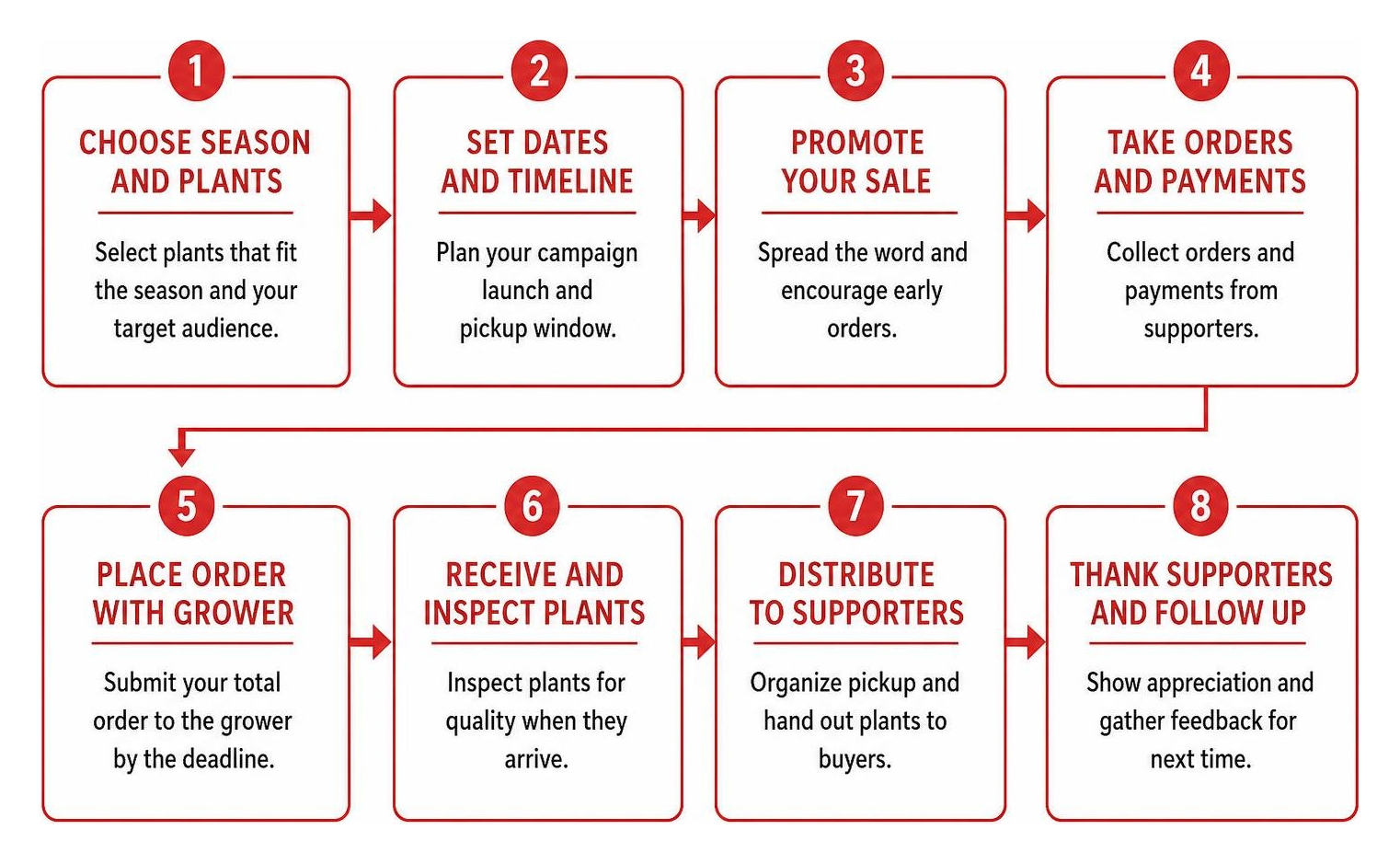
Running a smooth campaign requires clear steps from vendor selection to order distribution. Establishing a clear timeline keeps volunteers organized and ensures buyers receive fresh, healthy plants.
Why Wagners Is a Strong Partner for Plant Fundraisers
A successful plant fundraiser starts with a dependable local partner. Wagners works with Twin Cities schools, churches, and nonprofit groups to plan their fundraising program, select seasonal plants, take preorders, and coordinate a clear delivery or pickup plan. That guidance helps organizers focus on their group and supporters rather than trying to manage the process alone.
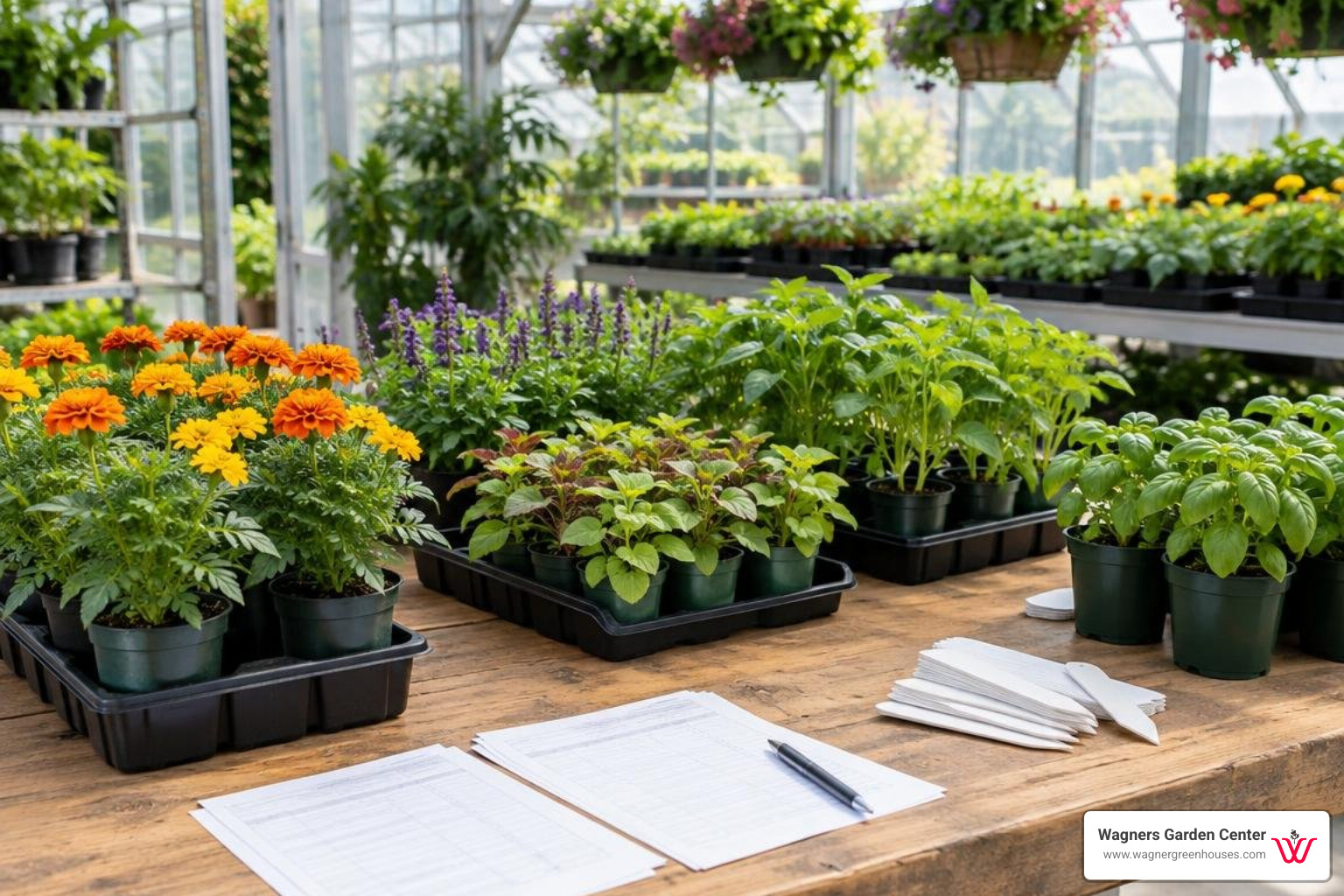
Wagners has served the Twin Cities community for more than 100 years and grows many of the plants it sells. After a group signs up, the fundraising team can provide program details, ordering guidance, and promotional materials to help organizers prepare for a smooth sale. Wagners partners with organizations in the Twin Cities metro and surrounding areas, where live-plant delivery logistics can be supported.
Pricing Strategy and Profit Margin Targets
Setting the right prices balances generous financial support for your group with great value for your buyers. A simple, effective benchmark is to research local retail prices for comparable container sizes and aim for a 40% to 50% margin over wholesale costs.
To make transactions simple for both online checkout and in-person payments, utilize round-number pricing. Setting prices at clear figures—such as $15 for gallon perennials, $25 for hanging baskets, or $35 for custom patio containers—makes accounting straightforward and eliminates the need to manage loose change.
Pre-order sales eliminate financial risk. Supporters pay in advance for their selected items, providing your organization with the funds needed to settle wholesale invoices without taking on unsold inventory.
Digital Ordering, Payment Collection, and Pickup Logistics

When distribution day arrives, smooth logistics ensure happy customers:
- Establish a Centralized Distribution Hub: Select a spacious, accessible site with ample parking, such as a school lot, community center pavilion, or church driveway.
- Assign Staggered Pickup Windows: Divide your order list alphabetically or by scheduled time slots to prevent vehicle congestion.
- Organize by Plant Category: Group identical plant varieties together with clear signage so volunteer runners can quickly assemble customer orders.
- Inspect Every Order: Check items against the customer’s packing slip, verify plant health, and provide a printed care sheet before loading vehicles.
Marketing Strategies and Community Inspiration
Even the most beautiful plants need active promotion to reach potential buyers. Combining visual digital marketing with traditional grassroots community outreach generates enthusiasm and broadens your reach.
Promotion Channels to Maximize Community Reach
- High-Impact Photography: Share vibrant, full-color images of the exact flower varieties, hanging baskets, and container combinations you are offering. Showing mature blooms in attractive garden settings helps buyers visualize how the plants will look at their own homes.
- School and Group Newsletters: Feature the campaign in weekly parent bulletins, community center boards, and staff emails, emphasizing exactly how the generated funds will be used.
- Social Media Spotlights: Create short posts highlighting specific varieties, such as pollinator-friendly perennials or easy-care patio pots. Encourage members to share links on their personal neighborhood networks.
- Yard Signs and QR Code Flyers: Place promotional signs at busy community hubs with quick-scan QR codes that direct smartphone users straight to your digital order page.
Frequently Asked Questions About Plant Fundraisers
How much profit does a typical plant sale make?
The amount your group earns depends on the prices it sets and the number of items it sells. According to Wagners’ fundraising guidance, most groups make $10 to $20 per item. Contact Wagners to discuss the program and plan a fundraising approach that fits your organization.
What are the easiest plants to sell for beginners?
First-time organizers succeed most often with recognizable, low-maintenance selections that have broad seasonal appeal. Upright geraniums, lush mixed hanging baskets, starter culinary herbs, robust garden mums, and classic holiday poinsettias are dependable choices that require minimal gardening experience for buyers to enjoy.
How far in advance should our group start planning?
Begin planning your campaign roughly six to eight weeks before your targeted distribution date. This gives your committee enough time to finalize plant selections with your nursery partner, set up digital payment forms, run an active three-to-four-week pre-order window, and organize volunteer teams for pickup day.
Ready to Start Your Plant Fundraiser?
A well-executed plant sale brings vitality to your community while generating reliable, healthy revenue for your school, club, or non-profit organization. By focusing on seasonal timing, high-quality garden stock, round-number pricing, and organized distribution logistics, your group can cultivate a rewarding annual tradition that neighbors look forward to year after year.
When your group is ready to get started, explore local plant fundraising options and contact Wagners Wholesale office at 612-922-1262 or email fundraisers@wagnergreenhouses.com. The Wagners team can help your organization choose a program and plan the next steps.